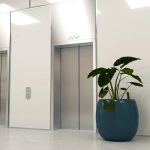
By 2026, the traditional boundary between soft textiles and structural surfaces has dissolved; the glass partition is now a high-performance canvas for brand identity. You likely recognize the persistent challenge of maintaining the tactile warmth of luxury fabrics in high-traffic commercial zones where standard durability often fails. It’s frustrating to manage the complexity of matching specific brand colors while ensuring every lite meets the updated ANSI Z97.1-2026 safety glazing standards.
This guide provides a comprehensive framework for implementing custom fabric laminated glass design ideas that bridge the gap between bespoke aesthetics and industrial-grade longevity. We’ll show you how to integrate Couture textiles into architectural glass to achieve unparalleled depth and privacy without sacrificing light transmission. You’ll discover a streamlined path from initial concept to final installation, utilizing 2026 specification standards like ASTM E3491 to ensure your project remains both compliant and visually stunning. We’ve simplified the transition from a designer’s vision to a master fabricator’s result, providing a reliable strategic partner for your most complex commercial requirements.
Key Takeaways
- Implement permanent textile encapsulation rather than surface films to ensure your design maintains its integrity in the most demanding commercial environments.
- Explore custom fabric laminated glass design ideas that utilize Moire patterns and metallic meshes to create dynamic visual motion within elevator interiors and feature walls.
- Define precise Visible Light Transmission (VLT) percentages to maintain an ideal balance between occupant privacy and natural illumination in open atriums.
- Prioritize chemical compatibility testing for all bespoke textiles to mitigate the risk of delamination or dye reactions during the lamination process.
- Engage a strategic fabrication partner to streamline your workflow and ensure a seamless transition from initial concept to the final physical result.
Understanding Fabric Laminated Glass: Beyond the Aesthetic
Modern architectural glass has evolved beyond simple transparency. Fabric laminated glass represents a sophisticated composite material that fuses the structural integrity of safety-rated glass with the organic texture of encapsulated textiles. Unlike traditional surface-applied films that are prone to scratching or peeling, this permanent integration ensures the design remains a durable part of the building’s envelope. This shift toward permanent interlayers is driven by a 2026 trend toward tactile minimalism, where commercial lobbies and hospitality spaces seek to provide a sense of soft comfort without compromising on the sterile, high-performance requirements of public environments. By choosing these materials, designers can achieve the visual warmth of linen or silk while maintaining the hygiene and scratch-resistance of a glass surface.
The Anatomy of a Couture Panel
Creating a Couture Fabric Laminated Glass panel requires a precise assembly of materials known as the lamination stack. This typically consists of two lites of glass, high-performance interlayers like EVA or SGP, and the textile itself. To maintain the exact color profile of a bespoke fabric, we utilize low-iron glass. Standard glass contains a slight green tint that can distort the appearance of light-colored textiles; low-iron glass provides the clarity necessary for color-critical brand matching. This level of fabrication is essential for high-end hospitality projects where the interior palette must be consistent across multiple mediums. It’s a meticulous process that transforms a fragile textile into a structural architectural element.
Safety and Performance Standards
Safety remains the primary objective in any commercial specification. While tempered glass is common, it can shatter into small fragments upon impact. In contrast, laminated glass is designed to hold fragments in place if the lite fails, providing a critical safety layer for overhead glazing or railings. Our systems meet the updated ANSI Z97.1-2026 safety glazing standards, ensuring compliance with the most recent building codes for commercial spaces. Beyond structural safety, the encapsulation provides a barrier against UV radiation, preventing the fabric dyes from fading even in sun-drenched atriums. This ensures that the vibrant colors you specify today remain identical for the life of the building.
The Technical Artistry of Custom Lamination
Realizing a complex architectural vision requires more than just selecting a beautiful textile. It demands a rigorous understanding of material science and chemical bonding. Not every fabric is suitable for encapsulation; some textiles contain dyes or finishes that react negatively with the heat and pressure of the autoclave. We prioritize a comprehensive testing phase to ensure that your custom fabric laminated glass design ideas are technically viable before they reach the production floor. This process involves precise moisture control and a flawless vacuum seal to prevent air entrapment, which is the primary cause of delamination in inferior products.
Recent advances in the lamination of glass sheets have expanded the range of compatible materials, yet the fundamental physics of the bond remain exacting. Expert fabrication prevents common industry headaches like edge bubbling or fabric shifting during the heating cycle. By managing these technical variables, we provide a product that maintains its structural and visual integrity for decades. This meticulous oversight transforms a delicate organic material into a high-performance architectural component.
Interlayer Selection: EVA vs. SGP
Selecting the appropriate interlayer is a critical decision that affects both safety and visual clarity. Ethylene-vinyl acetate (EVA) is typically specified for interior decorative panels because its lower viscosity allows it to flow deeply into the weave of the textile. This results in superior clarity and a more vibrant color representation. For structural applications or panels with exposed edges, we utilize SentryGlas Plus (SGP). SGP provides five times the tear strength of standard interlayers, ensuring the panel remains rigid even under extreme stress. Choosing the right interlayer ensures that the final installation meets both your aesthetic goals and the necessary safety requirements.
Custom Fabric Testing Protocols
Every bespoke project begins with a prototype to mitigate risk. We conduct test laminations on client-provided materials to identify potential off-gassing risks, which occur when synthetic fibers release vapors at high temperatures. These vapors can create micro-bubbles that ruin the visual effect of the glass. For frameless applications such as Glass Barn Doors, we also verify edge stability to ensure the textile doesn’t pull away from the glass perimeter over time. If you’re currently evaluating a unique material for your next project, partnering with our technical team early can help you navigate these complexities and ensure a smooth execution.
2026 Design Ideas: Integrating Textiles into High-Impact Environments
Integrating textiles into architectural glass systems allows for a multi-sensory experience that static materials cannot replicate. In elevator interiors, for instance, we use Moire patterned interlayers to create a sense of visual motion as the car moves. This effect provides a dynamic backdrop that engages occupants without requiring digital screens. For luxury casino feature walls, we recommend combining metallic mesh with sheer silks to achieve a shimmering, layered depth that reflects the high-energy environment. These custom fabric laminated glass design ideas extend into healthcare as well, where biophilic weaves offer soft privacy screening. This approach reduces patient anxiety by replacing clinical surfaces with organic textures while maintaining the rigorous cleaning standards required in medical facilities.
Modern bar designs are also evolving to include fabric glass paired with LED edgelighting. This combination creates a glowing perimeter that accentuates the texture of the encapsulated material, turning a functional bar back into a piece of illuminated art. By selecting textiles with varied densities, you can control how the light interacts with the surface, resulting in a bespoke feature that is both durable and visually striking.
Hospitality: The Lobby and Guest Suite
The hospitality sector increasingly relies on tactile surfaces to differentiate guest experiences. You can specify custom headboards using Laminated Couture to provide a soft, fabric-like feel that is entirely wipeable and durable. In dining areas, fabric glass partitions balance intimacy and light transmission, allowing for private dining nooks that still feel connected to the main floor. Additionally, hotel bathroom mirrors can incorporate custom fabric designs along the perimeter to add a layer of bespoke craftsmanship to standard vanity units.
Corporate: Branding and Privacy
Corporate environments utilize these systems to reinforce brand identity while solving functional problems. By integrating corporate-colored textiles into glass wall systems, you create a cohesive aesthetic that resonates with employees and clients alike. These panels offer acoustic and visual privacy in boardrooms without the need for solid, light-blocking walls. Reception areas also benefit from custom-printed fabric interlayers, allowing for subtle yet impactful branding that is protected within the glass stack.
Illuminated Fabric Features
Lighting transforms the way a textile is perceived. Combining Couture fabrics with LumaWall illuminated panels creates a glowing feature that highlights the intricate weave of the fabric. The density of the textile determines how the light diffuses; sheer fabrics create a soft halo, while denser weaves produce a more focused silhouette. This technique is particularly effective in illuminated bar wall panels, where the backlight adds depth and drama to the bar back, serving as a focal point for the entire lounge.

Specifying for Success: Light, Opacity, and Edge Performance
Transitioning from conceptual custom fabric laminated glass design ideas to a finalized specification requires precise technical data. Architects must define specific light transmission percentages to ensure the interior environment performs as intended. In sun-drenched commercial atriums, managing Visible Light Transmission (VLT) is critical for reducing solar heat gain and occupant glare. By specifying a textile with a lower VLT, you can maintain natural illumination while protecting interior finishes from UV degradation. Determining the appropriate glass thickness is equally vital, particularly when engineering large-scale glass cladding for high-traffic public zones.
A well-drafted specification acts as a roadmap for the contractor, preventing costly errors during the procurement phase. We emphasize the importance of early collaboration to identify potential conflicts between the desired aesthetic and the structural requirements of the project. This foresight ensures that every lite of glass arrives on-site ready for installation, meeting both the design intent and the rigorous safety standards of the 2026 building codes.
Controlling Opacity and Privacy
While sheer fabrics offer a translucent veil, some areas require complete visual obstruction. You can achieve total privacy by layering your chosen textile with frosted or acid-etched glass. This combination obscures shapes while allowing a soft glow to permeate the space. For a more dramatic effect, the shadow box method involves installing fabric glass in front of a solid wall, creating a sense of depth and texture without transparency. You might also consider specifying patterned glass for privacy screening to add another layer of visual complexity to your design.
Edge Finishing and Hardware Integration
The quality of a fabric glass installation is often determined by the precision of its edges. Flat-polished edges are the industry standard for exposed applications, providing a clean, architectural finish that highlights the encapsulated textile. When specifying hardware for glass barn doors, it’s important to account for the additional weight of the lamination stack. Proper sealant selection is another critical factor; using the wrong silicone can lead to wicking, where moisture is pulled into the edges of the fabric via capillary action. We recommend using neutral-cure silicones that are chemically compatible with both the interlayer and the textile dyes.
If you’re ready to move from concept to construction, contact our specification team to review your project requirements and ensure a flawless execution.
Executing the Vision: Why Specification Partners Matter
The journey from a digital rendering to a physical installation involves navigating a complex web of logistical and technical variables. Successfully executing custom fabric laminated glass design ideas on a national scale requires more than just a supplier; it demands a strategic ally who understands the nuances of architectural glass. A turn-key fabrication partner provides the expert oversight necessary to bridge the gap between high-level design aesthetics and the gritty realities of commercial procurement. By involving a master fabricator early in the process, you ensure that the transition from initial concept to final result is seamless, predictable, and fully compliant with project-specific requirements.
Single-source manufacturing simplifies this lifecycle significantly. When you focus on sourcing innovative building materials from a partner capable of handling both massive requirements and specialized requests, you eliminate the friction caused by fragmented supply chains. This approach is particularly valuable for national commercial projects where managing lead times and complex logistics across multiple sites can become a primary source of stress for the project team. We prioritize risk mitigation at every stage, ensuring that your logistical and budgetary requirements are met without compromising the creative integrity of the build.
Risk Mitigation in Large Projects
Large-scale developments involve thousands of square feet of decorative glass, making consistency a paramount concern. Early fabricator involvement allows for the identification of potential issues, such as fabric dye variance or structural load requirements, before materials reach the job site. This proactive stance prevents the installation headaches that often arise when design intent clashes with logistical reality. We act as a seasoned veteran of the industry, offering the foresight needed to navigate around common pitfalls. This strategic partnership ensures that the aesthetic vision you’ve worked hard to define is maintained across every panel, regardless of the project’s scale.
The FGD Glass Solutions Advantage
We leverage over 30 years of experience to provide a high-end solution for B2B commercial supply. Our specialization in the Couture collection allows us to handle bespoke textiles with a level of technical proficiency that standard vendors cannot match. We maintain a constant presence throughout the project lifecycle, offering expert oversight from the initial specification phase to the final physical result. This end-to-end involvement alleviates the typical stresses of commercial construction, allowing you to focus on the creative vision while we handle the technical execution. If you’re ready to see how our capabilities can simplify your workflow, request a sample or consultation for your next project today.
Realizing the Next Generation of Architectural Surfaces
Integrating textiles into structural glass represents a fundamental shift toward tactile, high-performance environments. You’ve explored how technical artistry, from interlayer selection to precise VLT management, transforms a creative concept into a durable reality. These custom fabric laminated glass design ideas are no longer limited by traditional durability concerns; they’re empowered by modern lamination standards that protect even the most delicate weaves from the rigors of high-traffic commercial use.
Success in 2026 requires more than a standard vendor relationship. It demands a strategic ally who provides custom testing for bespoke textile interlayers and comprehensive turn-key project management to mitigate risk at every stage. With over 30 years of architectural glass expertise, we’re prepared to handle your most complex logistical and design requirements, ensuring consistency across thousands of square feet. Partner with FGD Glass Solutions for your next high-end architectural project. We look forward to helping you bridge the gap between your initial vision and a flawless physical result.
Frequently Asked Questions
What types of fabric can be used in laminated glass?
Is fabric laminated glass safe for high-traffic commercial areas?
Yes, this material is designed specifically for high-impact environments like elevator interiors, casino walls, and busy lobby partitions. It meets the updated ANSI Z97.1-2026 safety glazing standards, ensuring that fragments remain adhered to the interlayer if the glass fails. Because the textile is encapsulated, it is completely protected from scratches, moisture, and cleaning chemicals. This makes it a far more durable solution than surface-applied films in demanding commercial corridors and public spaces.
Can I use fabric laminated glass for exterior applications?
Opacity is managed by selecting textiles with specific weave densities or by layering the fabric with secondary glass treatments. For total privacy, you can specify a panel that combines a Couture textile with a layer of satin acid etched glass. If you want to maintain light transmission, sheers and loose-weave linens provide a translucent veil that softens the environment. We can provide Visible Light Transmission (VLT) data to help you meet your project’s specific lighting and privacy requirements.
Does the fabric inside the glass fade over time?
No, the lamination interlayers act as a powerful barrier against UV radiation, blocking up to 99% of harmful rays. This protection ensures that your design retains its original color and vibrancy for the life of the building. Unlike traditional upholstery or surface treatments, encapsulated fabrics aren’t subject to atmospheric degradation or sun-bleaching. This makes them an excellent choice for sun-drenched atriums and exterior-facing glass walls where color consistency is a critical requirement for brand identity.
How do you clean and maintain fabric laminated glass panels?
Maintenance is identical to standard architectural glass because the textile is fully sealed within the glass stack. You can use standard non-abrasive glass cleaners and microfiber cloths to remove dust or fingerprints from the exterior surface. There is no risk of damaging the fabric or trapping dust within the weave, which is a significant advantage over exposed textiles. This hygiene-friendly surface is particularly valuable in healthcare and hospitality settings where frequent sanitization and deep cleaning are mandatory.
What is the maximum panel size for custom fabric glass?
You can initiate the testing process by providing a sample of your chosen textile to our technical team for evaluation. We conduct a rigorous prototype phase where we test-laminate the fabric to identify risks like off-gassing, dye bleeding, or bond failure. This step is a critical part of our turn-key project management approach, ensuring that your bespoke vision is technically viable before production begins. Once testing is complete, we provide a physical sample for your final approval.